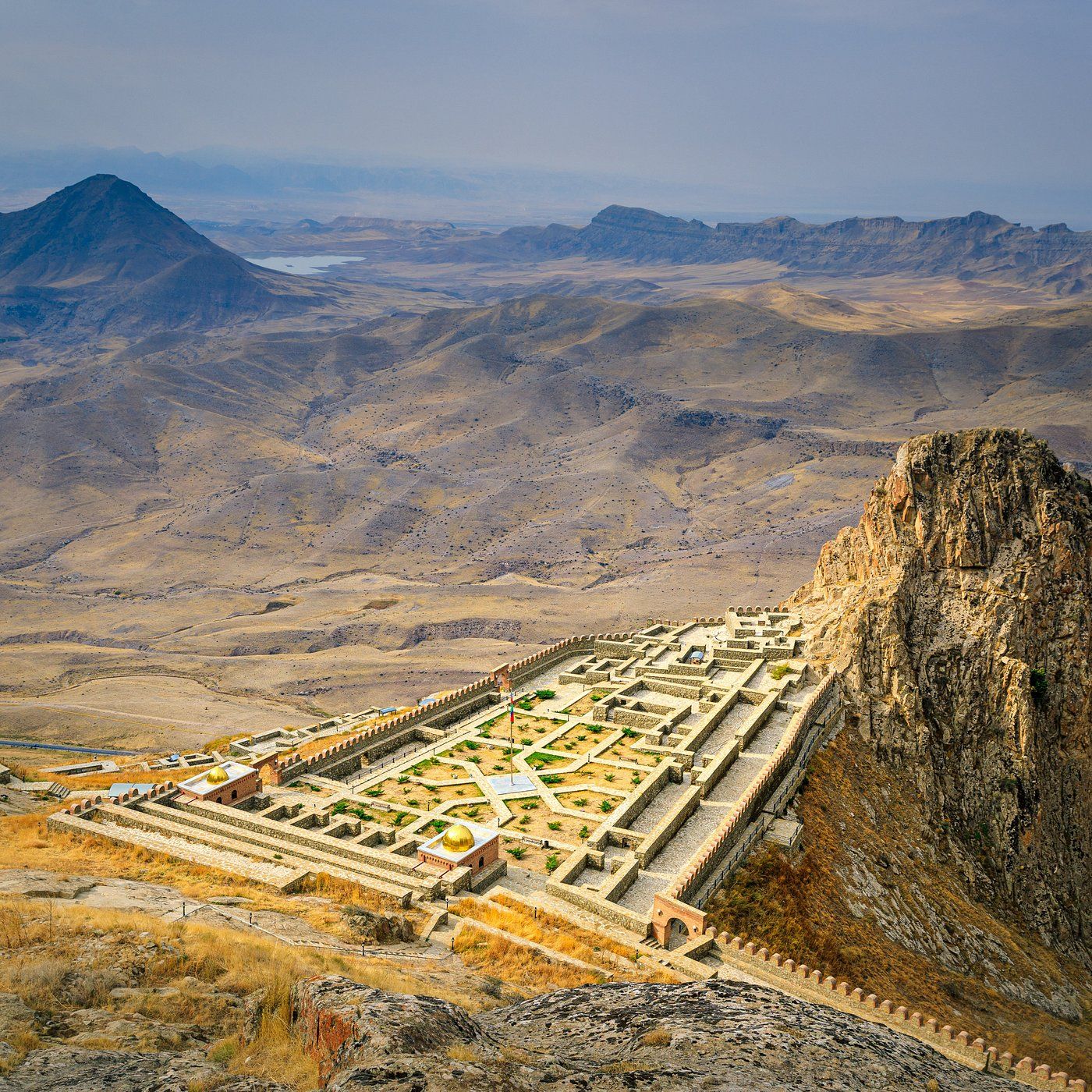
Nakhchivan: The Machu Picchu of Eurasia?
Imagine a land cut off from the rest of Azerbaijan, surrounded by Armenia, Iran, and Turkey. A place where ancient fortresses cling to mountain peaks, where Noah's Ark is said to have landed, and where history stretches back 5,000 years.
Welcome to Nakhchivan, Azerbaijan's autonomous exclave—a hidden gem that few travelers ever visit.
What is Nakhchivan?
Nakhchivan is an autonomous republic of Azerbaijan, geographically separated from the mainland by Armenia.
Geography:
- Size: 5,500 km²
- Population: ~450,000
- Capital: Nakhchivan City
- Borders: Armenia (north/east), Iran (south/west), Turkey (west)
How to Get There:
- By Plane: The only practical way (1-hour flight from Baku)
- By Land: Not possible without crossing Armenia (closed border)
The Legend: Noah's Ark
According to local legend, Mount Nakhchivan is where Noah's Ark first touched land after the Great Flood.
The name "Nakhchivan" is said to come from "Nuh" (Noah) + "chivan" (landing place).
The Tomb of Noah:
- A mausoleum in Nakhchivan City claims to be Noah's burial site
- Note: This is folklore, not verified history
Must-See Attractions
1. Alinja Castle (The Machu Picchu of Azerbaijan)
Why "Machu Picchu"?
- Perched on a steep mountain peak (1,400 meters)
- Dramatic, isolated location
- Ancient ruins with stunning views
History:
- Built: 7th-12th centuries
- Purpose: Fortress, last stronghold against Mongol invasions
- Famous Siege: Held out for 14 years against Mongol forces (1235-1249)
The Climb:
- Difficulty: Challenging (steep, rocky trail)
- Duration: 2-3 hours round trip
- Reward: Panoramic views, ruins of the fortress
What to Bring:
- Sturdy shoes, water, sun protection
2. Ashab-i Kahf (Cave of the Seven Sleepers)
The Legend:
- Seven Christian youths fled persecution and hid in a cave
- God put them to sleep for 300 years
- They awoke to find the world had changed
The Site:
- Cave: Natural cave in the mountains
- Mausoleum: Built over the cave entrance
- Pilgrimage Site: Sacred to both Muslims and Christians
Location: 25 km from Nakhchivan City
3. Momine Khatun Mausoleum
History:
- Built: 1186
- For: Momine Khatun, wife of the Atabeg ruler
- Architecture: 10-sided tower with intricate geometric patterns
Why It's Special:
- Masterpiece of Medieval Architecture
- UNESCO Tentative List
- Survived Earthquakes: Despite the region's seismic activity
Location: Nakhchivan City center
4. Ordubad
What Is It:
- A historic town near the Iranian border
- Famous For: Traditional architecture, mulberry trees, silk production
Highlights:
- Juma Mosque: 18th-century mosque
- Old Houses: Preserved traditional homes
- Mulberry Groves: The town is known for its sweet mulberries
Distance from Nakhchivan City: 75 km
5. Nakhchivan Khan's Palace
History:
- Built: 18th century
- Purpose: Residence of the Nakhchivan Khans
Today:
- Museum: Displays artifacts from Nakhchivan's history
Location: Nakhchivan City
Getting to Nakhchivan
By Plane:
- From Baku: Daily flights (1 hour, 50-100 AZN)
- Airlines: Azerbaijan Airlines (AZAL)
Important: This is the only way to reach Nakhchivan from Azerbaijan mainland.
Visa:
- Same as Azerbaijan: If you have an Azerbaijan visa, you can visit Nakhchivan
- No Separate Visa Needed
Where to Stay
Nakhchivan City:
- Tabriz Hotel: 3-star, central location (60-100 AZN/night)
- Duzdag Hotel: Unique salt cave hotel (80-150 AZN/night)
- Guesthouses: Budget options (30-50 AZN/night)
What to Eat
Local Specialties:
- Ordubad Plov: Rice with dried fruits and nuts
- Dushbara: Tiny dumplings in broth
- Mulberries: Fresh or dried (Ordubad is famous for them)
- Dovga: Yogurt soup
Best Time to Visit
- Spring (April-May): Wildflowers, comfortable temperatures
- Autumn (September-October): Harvest season, pleasant weather
- Avoid: Summer (very hot, 40°C+) and winter (cold, some sites inaccessible)
Practical Tips
Language:
- Azerbaijani: Widely spoken
- Russian: Understood
- English: Very limited
Money:
- ATMs: Available in Nakhchivan City
- Cash: Preferred outside the city
Transportation:
- Taxis: Cheap and available
- Rent a Car: Possible but not necessary for short visits
Safety:
- Very Safe: Low crime rate
- Border Areas: Avoid getting too close to the Armenian border
Suggested Itinerary: 2-3 Days
Day 1:
- Morning: Fly from Baku to Nakhchivan
- Afternoon: Explore Nakhchivan City (Momine Khatun Mausoleum, Khan's Palace)
- Evening: Dinner, rest
Day 2:
- Morning: Hike to Alinja Castle
- Afternoon: Visit Ashab-i Kahf Cave
- Evening: Return to Nakhchivan City
Day 3:
- Morning: Day trip to Ordubad
- Afternoon: Fly back to Baku
Why Visit Nakhchivan?
1. Off the Beaten Path
Very few tourists visit—you'll have sites to yourself.
2. Rich History
5,000 years of civilization, from ancient times to medieval fortresses.
3. Unique Experience
Visiting an exclave is a unique travel experience.
4. Natural Beauty
Mountains, valleys, and dramatic landscapes.
Challenges
1. Limited Infrastructure
Fewer hotels, restaurants, and tourist services than Baku.
2. Language Barrier
English is rarely spoken.
3. Accessibility
Only reachable by plane (expensive compared to land travel).
Conclusion
Nakhchivan is Azerbaijan's forgotten treasure. It's a land of legends, ancient fortresses, and dramatic landscapes—a place where history feels alive.
If you're looking for adventure, solitude, and a glimpse into Azerbaijan's deep past, Nakhchivan is calling.
Next up in our series: Sumgayit: From Industrial Giant to Seaside Promenade