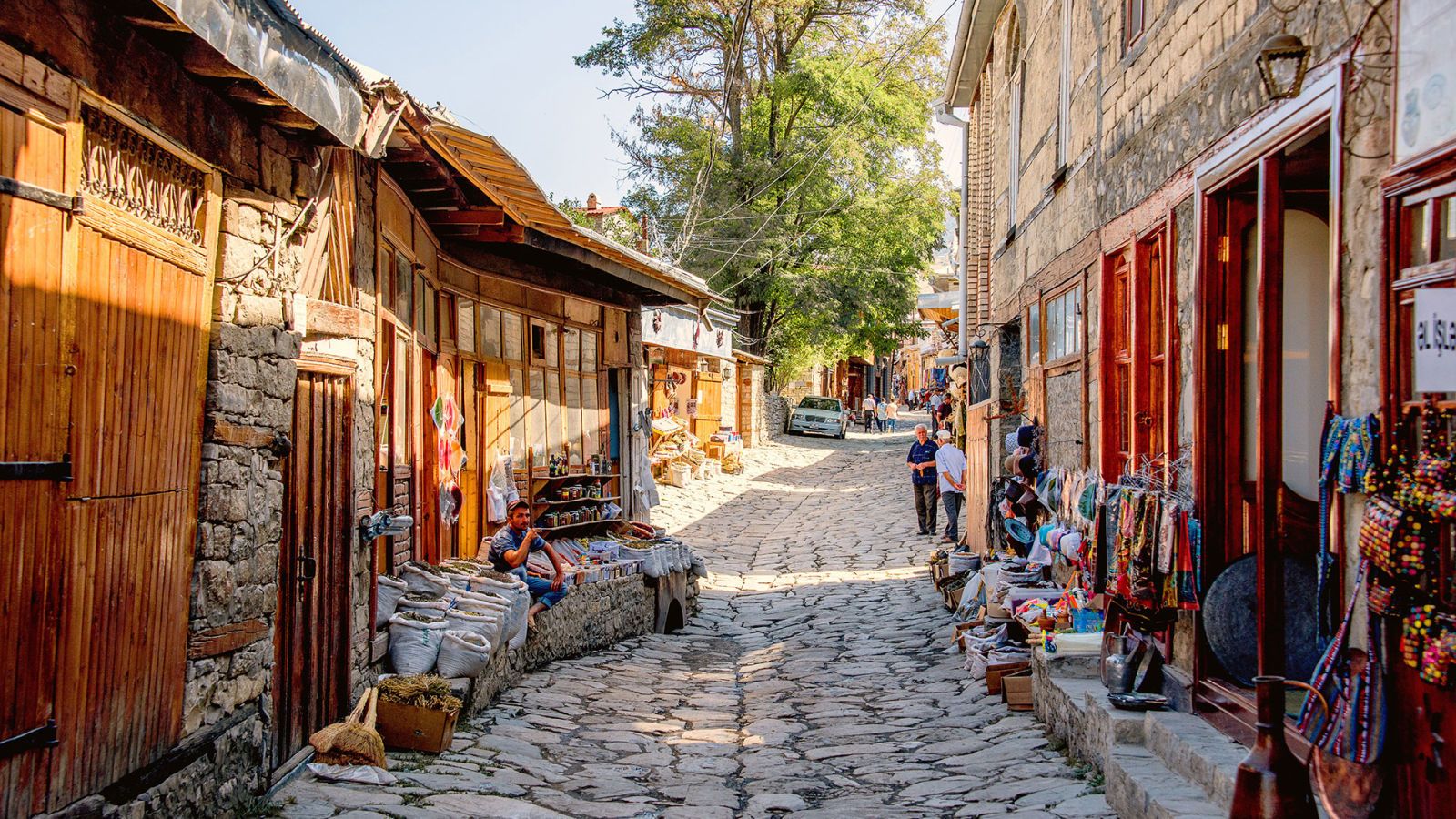
Lahij: The Copper Village Hidden in the Mountains
The sound reaches you before the village does—a rhythmic ting-ting-ting echoing through the mountain valley.
Welcome to Lahij, a medieval village where time has stood still for over 1,500 years. Nestled in the Caucasus Mountains, this UNESCO-listed settlement is famous for one thing: copper.
Here, on cobblestone streets worn smooth by centuries of footsteps, master coppersmiths still hammer, engrave, and polish their wares using techniques unchanged since the Silk Road era.
The History: A Village of Artisans
Lahij was founded in the 5th century and quickly became a center of craftsmanship. Its location—hidden in a narrow gorge—protected it from invaders and allowed its unique culture to flourish.
The Copper Trade
At its peak, Lahij produced over 200 types of copper items: pots, jugs, trays, samovars, and decorative pieces. These were traded across the Silk Road, reaching markets in Persia, Russia, and the Ottoman Empire.
The Lahij Language
The people of Lahij speak Tat, an ancient Iranian language distinct from Azerbaijani. This linguistic island has survived because of the village's isolation.
The Craft: Hammering Copper into Art
Walking down the main street, you'll see workshops open to the street. Inside, coppersmiths sit cross-legged, hammering sheets of copper over anvils.
The Process:
- Cutting: A sheet of copper is cut to size.
- Shaping: The smith hammers it over a rounded anvil to create the desired form (bowl, jug, etc.).
- Engraving: Using a small chisel, intricate patterns are hand-carved into the surface.
- Polishing: The piece is polished to a mirror shine.
A single decorative tray can take 3-5 days to complete.
The Patterns
Traditional Lahij designs include:
- Floral motifs: Roses, tulips, vines.
- Geometric patterns: Stars, medallions.
- Calligraphy: Verses from poetry or blessings.
The Village: A Living Museum
Lahij is not a tourist reconstruction—it's a living, breathing village where people still live and work.
The Cobblestone Streets
The entire village is paved with smooth river stones, creating a mosaic-like surface. A small stream runs down the center of the main street, fed by mountain springs.
The Architecture
The houses are built from stone and wood, with overhanging balconies and flat roofs. Many are over 200 years old.
The Workshops
Besides copper, you'll find:
- Blacksmiths: Making knives and tools.
- Leatherworkers: Crafting belts and bags.
- Carpet Weavers: Producing traditional rugs.
What to Buy: Souvenirs with Soul
Lahij is one of the best places in Azerbaijan to buy authentic, handmade souvenirs.
Recommended Items:
- Copper Trays: Prices range from 20-200 AZN depending on size and detail.
- Jugs (Ibrik): Traditional water or wine jugs.
- Samovars: Decorative tea urns (heavy, but stunning).
- Knives: Hand-forged with wooden handles.
Bargaining Tip: Prices are negotiable, but be respectful. These are artisans, not mass producers.
The Journey: Getting to Lahij
Part of Lahij's charm is its remoteness. The journey itself is an adventure.
📍 How to Get There
-
From Baku: 200 km northwest (3.5-4 hours).
-
Route: Baku → Ismayilli → Lahij (the last 20 km is a winding mountain road).
-
By Car: The most flexible option. The road is paved but narrow with hairpin turns.
-
By Tour: Many agencies offer day trips combining Lahij with Sheki or Gabala.
-
By Marshrutka: Shared minivans run from Ismayilli to Lahij (infrequent, ask locally).
Warning: The road can be impassable in winter due to snow.
Where to Eat: Mountain Flavors
Lahij has several small guesthouses and cafes serving traditional food.
Must-Try Dishes:
- Piti: A slow-cooked lamb and chickpea stew served in a clay pot.
- Qutab: Thin flatbread stuffed with herbs or meat.
- Mountain Honey: Sold by locals, incredibly fragrant.
- Fresh Trout: From the mountain streams.
Recommended Spot: Lahij Qonaq Evi (Lahij Guest House) offers home-cooked meals with a view.
Practical Tips for Visitors
- Best Time to Visit: May-October. Winter is cold and roads may be closed.
- What to Wear: Comfortable walking shoes (cobblestones are slippery). Layers (mountain weather changes quickly).
- Cash Only: No ATMs in the village. Bring cash.
- Respect the Craft: Don't just take photos—talk to the artisans. Many speak Russian or basic English.
Conclusion
Lahij is not just a village—it's a time machine. In an age of mass production and Amazon deliveries, watching a master coppersmith hammer a tray by hand is a humbling reminder of what craftsmanship truly means.
The ting-ting-ting of copper on anvil is the heartbeat of Lahij. And it has been beating for 1,500 years.
Next up in our series: Kelagayi: The Silk Headscarf That Sings