Khinalig: The Highest Village in Europe?
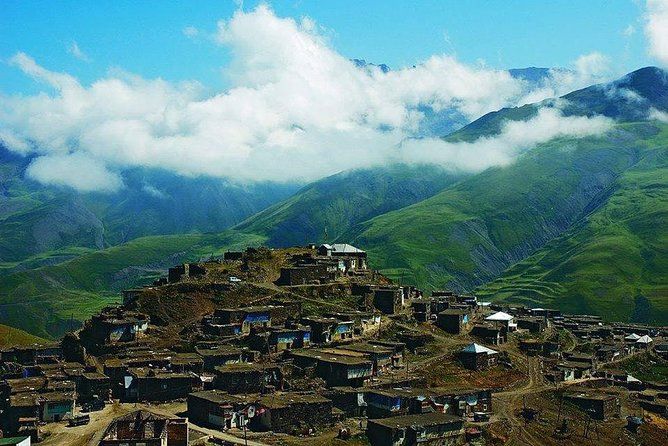
At 2,350 meters above sea level, perched on a mountain slope in the Greater Caucasus, sits Khinalig—a village that time forgot.
This is one of the highest and most remote permanently inhabited settlements in Europe. The people here speak their own language (Khinalig), practice ancient traditions, and live much as their ancestors did centuries ago.
To visit Khinalig is to step into another world—one of stone houses, mountain winds, and breathtaking silence.
The Village: A Living Museum
The History:
Khinalig is believed to be over 5,000 years old, making it one of the oldest continuously inhabited settlements in the Caucasus.
The People:
The Khinalig people are an ethnic minority with their own language (part of the Northeast Caucasian language family). The language is spoken only here and nowhere else in the world.
Population: Around 2,000 people (though many have migrated to lowland cities).
The Architecture:
- Stone Houses: Built into the mountainside, stacked like terraces.
- Flat Roofs: The roof of one house is the yard of the house above.
- No Trees: At this altitude, trees don't grow. Fuel comes from dried dung and imported wood.
The Journey: Getting to Khinalig
Part of Khinalig's charm is its remoteness. The journey itself is an adventure.
From Baku:
- Distance: 230 km north (4-5 hours).
- Route: Baku → Guba → Khinalig.
The Road:
- Paved to Guba: Smooth highway.
- Guba to Khinalig: 40 km of winding, unpaved mountain road. 4x4 recommended (especially in winter/spring).
Transportation Options:
- By Tour: The easiest option. Many agencies offer day trips or overnight stays.
- By 4x4: Rent a 4x4 in Guba (with driver recommended).
- By Shared Taxi: Locals run shared taxis from Guba (ask at the bazaar).
Warning: The road can be impassable in winter due to snow. Best visited May-October.
What to See and Do
1. Explore the Village
- Wander the narrow stone pathways.
- Visit the Khinalig History Museum (small but informative).
- Observe daily life: shepherds, bread baking, carpet weaving.
2. Hike to the Waterfall
- A 2-hour hike from the village to a scenic waterfall.
- Moderate difficulty, stunning views.
3. Visit the Ancient Mosque
- A small, centuries-old mosque still in use.
4. Meet the Locals
- The people of Khinalig are incredibly hospitable. Accept tea if offered.
5. Stargazing
- At this altitude, with zero light pollution, the night sky is spectacular.
Where to Stay
1. Guesthouses (Homestays)
- What: Local families rent out rooms.
- Amenities: Basic (shared bathroom, no hot water in some).
- Food: Homemade meals included.
- Price: 20-40 AZN per person per night (including meals).
Recommended:
- Asif's Guesthouse
- Khinalig Guesthouse (ask locals for recommendations)
2. Camping
- Where: Near the village or along hiking trails.
- Permits: Not required, but ask locals for the best spots.
- Gear: Bring your own tent and sleeping bag.
What to Eat
Traditional Khinalig Food:
- Khingal: Thick, hand-cut noodles served with yogurt and meat.
- Piti: Lamb and chickpea stew cooked in clay pots.
- Fresh Bread: Baked in traditional ovens.
- Cheese and Honey: From local shepherds.
Note: Food is simple but hearty. Vegetarians should inform hosts in advance.
Hiking Around Khinalig
Khinalig is a base for several multi-day treks in the Caucasus.
Popular Routes:
- Khinalig to Laza: 2-3 days, through high mountain passes.
- Khinalig to Qriz: 1-2 days, scenic valleys.
- Day Hikes: Waterfall, nearby peaks, shepherd camps.
Difficulty: Moderate to challenging. Altitude and weather can be tough.
Guides: Recommended for multi-day treks. Arrange in Guba or Khinalig.
Cultural Etiquette
1. Respect Privacy
- Don't photograph people without asking.
- Some areas (especially homes) are private.
2. Dress Modestly
- This is a conservative, traditional community.
3. Accept Hospitality
- If offered tea or food, accept. It's a sign of respect.
4. Learn a Few Words
- Salam: Hello
- Sag ol: Thank you
- Locals appreciate the effort, even if they speak Azerbaijani or Russian.
Best Time to Visit
- Summer (June-August): Warm, green, all roads open. Can be crowded.
- Autumn (September-October): Cooler, fewer tourists, beautiful colors.
- Spring (May): Flowers bloom, but roads may still be muddy.
- Winter (November-April): Snow-covered, road often closed. Only for experienced winter travelers.
What to Bring
Essentials:
- Warm Clothing: Even in summer, nights are cold.
- Sturdy Shoes: For walking on uneven stone paths.
- Cash: No ATMs in the village.
- Snacks and Water: Limited shops.
- Camera: The views are unforgettable.
Optional:
- Hiking Gear: If planning treks.
- Sleeping Bag: Guesthouses provide blankets, but a sleeping bag adds comfort.
Nearby: Guba and Surroundings
Combine Khinalig with other attractions in the Guba region:
1. Qechresh Forest
- Highlights: Lush forest, waterfalls, picnic spots.
2. Guba Genocide Memorial
- Highlights: Memorial to victims of the 1918 massacre.
3. Carpet Weaving Villages
- Highlights: Watch traditional carpet making in nearby villages.
Conclusion
Khinalig is not for everyone. It's remote, basic, and challenging to reach. But for those who make the journey, it offers something rare: a glimpse into a way of life that has endured for millennia.
Standing above the clouds, surrounded by the peaks of the Caucasus, you'll understand why the people of Khinalig have never left.
Next up in our series: Mud Volcanoes: A Spa Day in the Earth's Crust