Gobustan: Reading the Prehistoric Graffiti of Azerbaijan
Imagine a time before Instagram, before paper, even before the wheel. A time when the only way to say "I was here" was to carve it into stone.
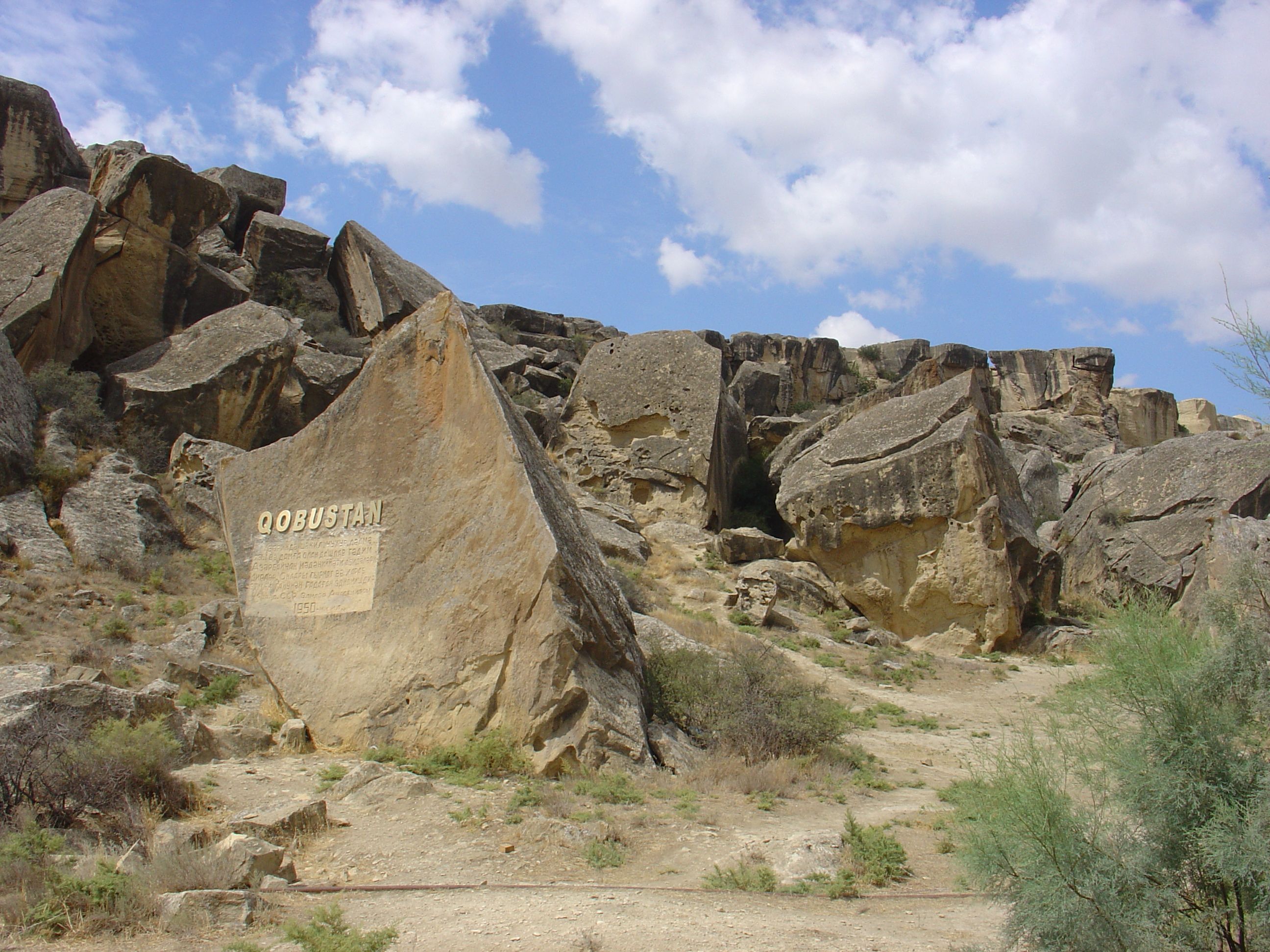
Welcome to Gobustan National Park, a UNESCO World Heritage site that serves as a time capsule of human history. Located about 60 km south of Baku, this open-air museum is home to over 6,000 rock engravings (petroglyphs) spanning 40,000 years of history.
From dancing figures to reed boats, these ancient drawings offer a rare glimpse into the lives, beliefs, and art of our Stone Age ancestors.
The Petroglyphs: A Stone Age Gallery
The landscape of Gobustan is surreal—huge boulders scattered across a semi-desert plateau. But look closer, and the rocks come alive.
What Will You See?
- The Yalli Dance: One of the most famous images shows a line of figures holding hands, performing a ritual dance. This suggests that the Azerbaijani tradition of "Yalli" (group dancing) might be thousands of years old.
- The Reed Boats: Perhaps the most controversial and fascinating carvings are the boats. They bear a striking resemblance to the reed boats of Lake Titicaca in South America and Viking ships. Famous explorer Thor Heyerdahl visited Gobustan and theorized that ancestors of Scandinavians might have migrated from this region.
- Animals: Bulls, lions, gazelles, and wild boars are depicted with incredible accuracy, showing the rich biodiversity that once existed here when the climate was much wetter.
The Gaval Dash: The Stone That Sings
At the entrance of the park lies a unique geological wonder: the Gaval Dash (Tambourine Stone).
This large, flat rock makes a metallic, tambourine-like sound when struck with a smaller stone. It is believed that ancient people used it as a percussion instrument during ritual dances (like the Yalli depicted on the rocks).
Try it yourself: Visitors are allowed to tap the stone. It’s a surreal feeling to play a "musical instrument" that has been used for millennia.
The Roman Inscription: The Furthest East
Gobustan isn't just about cavemen. It also holds a piece of Roman history.
At the foot of the mountain, there is a rock with a Latin inscription left by the Legio XII Fulminata (The Thundering 12th Legion) around 81-96 AD. It mentions the Emperor Domitian.
This is considered the easternmost Roman inscription ever found, proving that Roman legions marched this far to the shores of the Caspian Sea.
Mud Volcanoes: A Bubbling Bonus
Just a short drive from the petroglyphs lies another natural wonder: the Mud Volcanoes.
Azerbaijan is home to nearly half of the world's mud volcanoes. Unlike their lava-spewing cousins, these are cold. They bubble and burp grey mud from deep within the earth.
- Is it safe? Yes. The mud is cold and arguably therapeutic (rich in minerals).
- Can you touch it? Yes! Many tourists fill bottles with the mud to take home as a face mask.
- The Landscape: The area looks like the surface of Mars—cracked earth, grey mounds, and silence broken only by the gloop-gloop sound of the bubbles.
Practical Information for Travelers
📍 How to Get There
- By Tour: The easiest way. Most "Gobustan Tours" from Baku include both the petroglyph museum and the mud volcanoes (which are hard to find on your own as they are off-road).
- By Bus + Taxi: Take Bus #195 from Baku to the Gobustan settlement. From there, you will need to negotiate with a local taxi driver to take you up to the museum and then to the mud volcanoes.
🎟️ Tickets & Opening Hours
- Opening Hours: Daily from 9:00 AM to 5:00 PM.
- Entrance Fee: Approximately 10 AZN for foreign citizens.
💡 Tips for Visiting
- Visit the Museum First: The indoor museum at the base of the hill is world-class. It provides essential context before you see the actual rocks.
- Wear Good Shoes: You will be walking on rocky paths.
- Mud Volcano Warning: If you visit the mud volcanoes after rain, the roads can be impassable. Check the weather or ask your driver.
Conclusion
Gobustan is a humbling place. Standing in front of a 10,000-year-old drawing of a boat or a bull, you realize that while technology changes, the human desire to create, to record, and to be remembered remains the same.
It is a journey to the very dawn of art and civilization.
Next up in our series: Ateshgah Fire Temple: Where Zoroastrianism Meets Hinduism