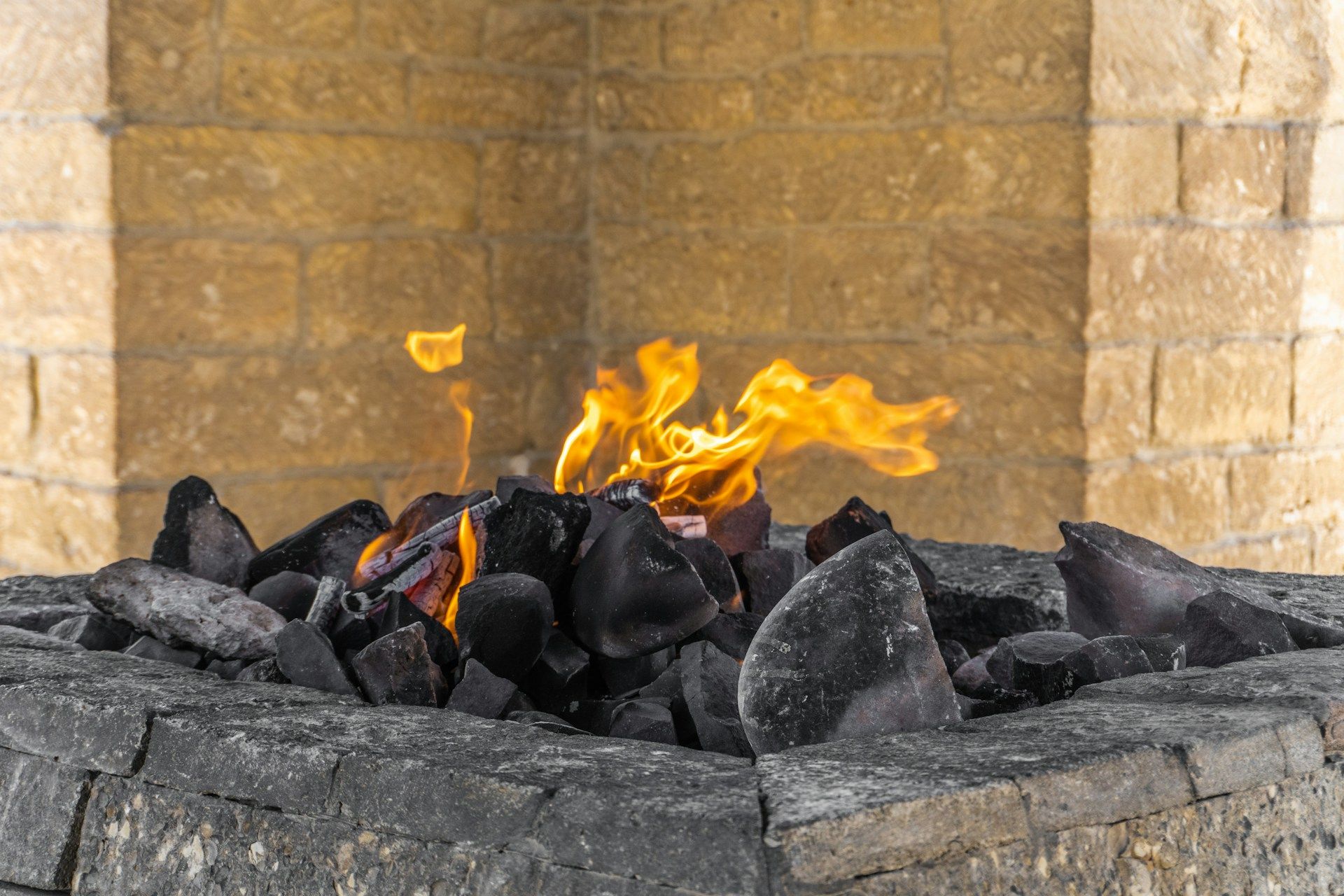
The Eternal Flame: Unraveling the Mystery of Yanardag
Imagine a fire that rain cannot extinguish, wind cannot blow out, and snow cannot smother. A fire that has been dancing on a hillside not for days, not for years, but for four millennia.
This is Yanardag (literally "Burning Mountain"), the living, breathing heart of Azerbaijan’s moniker, "The Land of Fire."
Located just a short drive from the futuristic skyline of Baku, Yanardag offers a glimpse into the ancient, mystical past of the Absheron Peninsula. For travelers seeking the extraordinary, standing before this wall of eternal fire is a humbling reminder of nature's raw power.
In this comprehensive guide, we delve deep into the science, the legends, and the essential travel tips you need to experience Yanardag.
The Science: Why is the Mountain Burning?
To the ancient traveler, Yanardag was magic. To the modern geologist, it is a fascinating natural phenomenon.
Azerbaijan is rich in subterranean oil and natural gas reserves. In fact, the pressure underground is so intense that natural gas seeps through fissures in the sandstone and rises to the surface.
At Yanardag, this methane gas escapes from the porous rock layers. When it hits the oxygen in the air, it ignites. Unlike the mud volcanoes that erupt periodically, the flow of gas here is constant and steady, creating a perpetual flame that stretches approximately 10 meters across the hillside.
A Rare Phenomenon
Centuries ago, the Absheron Peninsula was dotted with dozens of such fires. Historical accounts from travelers like Marco Polo in the 13th century and French writer Alexandre Dumas in the 19th century mention these "eternal fires."
However, as industrial drilling began in the 19th and 20th centuries, the subterranean pressure dropped, and most of these natural fires were extinguished. Yanardag remains one of the few—and certainly the most impressive—survivors, making it a globally unique geological site.
The Legend: Fire Worshippers and The Silk Road
Before science explained the gas leaks, the people of this region found spiritual meaning in the flames.
The Zoroastrian Connection
The roots of Zoroastrianism, one of the world's oldest monotheistic religions, run deep in Azerbaijan. For Zoroastrians, fire is a sacred element, representing purity and the wisdom of God (Ahura Mazda).
It is believed that ancient fire worshippers gathered at sites like Yanardag to pray and meditate. The sight of a fire that required no wood and produced no smoke was seen as a direct manifestation of the divine. While the Ateshgah Fire Temple nearby is the most famous structural testament to this heritage, Yanardag represents the natural, untamed version of this spirituality.
The Local Folklore
Ask a local elder, and you might hear a different story. Some legends say the fire was ignited by a shepherd who carelessly tossed a cigarette (or a lit torch in older versions) onto the rocks in the 1950s. While the gas has likely been seeping for thousands of years, the specific ignition point we see today might indeed have a more recent "spark."
Regardless of its origin, the fire has become a symbol of endurance for the Azerbaijani people.
Visitor Experience: What to Expect
Visiting Yanardag is a sensory experience.
The Visuals:
As you approach the site, the first thing you notice is the contrast. The surrounding landscape is relatively barren and beige, typical of the Absheron semi-desert. But then, there is the fire—vibrant orange, yellow, and blue hues licking the blackened rocks.
- Pro Tip: The flames are visible during the day, but for the most dramatic experience, visit at dusk or night. Seeing the fire dance against the backdrop of a dark sky is truly mesmerizing and offers the best photography opportunities.
The Heat:
You can get quite close to the flames (safely behind a barrier). Even from a few meters away, the heat is palpable. In the winter, locals and tourists alike huddle near the rocks to warm their hands, a tradition that has likely occurred for centuries.
The Smell:
There is a distinct, faint smell of natural gas (methane) in the air, a reminder of the massive energy reserves lying just beneath your feet.
The Yanardag State Historical-Cultural and Natural Reserve
In recent years, the site has been upgraded significantly. It is no longer just a burning hill in the middle of nowhere. The complex now includes:
- A Modern Museum: Featuring ancient stone tools, pottery, and exhibits explaining the geological history of the region.
- Amphitheater: An open-air seating area where concerts and cultural events are occasionally held, with the fire serving as a dramatic backdrop.
- Craft Shops: Where you can buy local souvenirs, including miniature carpets and kelagayi scarves.
Practical Information for Travelers
📍 How to Get There
Yanardag is located in the village of Mammadli, about 25km north of Baku city center.
- By Taxi/Bolt: The easiest and most comfortable option. A ride from downtown Baku takes about 30-40 minutes and costs around 10-15 AZN ($6-$9).
- By Public Transport: For the budget traveler, take the Metro to Koroglu Station. From there, hop on Bus #217, which takes you directly to the Yanardag entrance. The cost is less than 1 AZN.
- By Tour: Many agencies offer an "Absheron Tour" that combines Yanardag with the Ateshgah Fire Temple and Gala Archaeological Museum. This is highly recommended to understand the full context of the region's history.
🎟️ Tickets & Opening Hours
- Opening Hours: Daily from 10:00 AM to 7:00 PM (Check local listings as hours may vary by season).
- Entrance Fee: Approximately 9 AZN for foreign citizens (Subject to change).
🎒 What to Bring
- Camera: Essential, especially for night shots.
- Windbreaker: The Absheron Peninsula is known for its strong winds (Baku is the "City of Winds"), so bring a light jacket even in summer.
- Water: While there is a cafe on-site, it's always good to carry water.
Frequently Asked Questions
Is the fire at Yanardag real?
Yes, absolutely. It is a natural gas fire that burns continuously without any artificial fuel supply.
Can I roast marshmallows on the fire?
No. To preserve the site and for safety reasons, cooking or throwing objects into the fire is strictly prohibited.
How long has Yanardag been burning?
While the exact date of ignition for the current flame is debated, the phenomenon of burning hills in this region has been documented for over 4,000 years.
Is it worth visiting Yanardag?
If you are interested in unique natural phenomena, history, or photography, yes. It is a rare sight that you won't find in many other places on Earth. It pairs perfectly with a visit to the Ateshgah Fire Temple.