Tea Culture: Why You Can't Refuse a Cup of Armudu
In Azerbaijan, tea is not just a beverage—it's a ritual, a conversation starter, and a sign of respect.
Refuse a cup of tea, and you might as well refuse friendship itself.
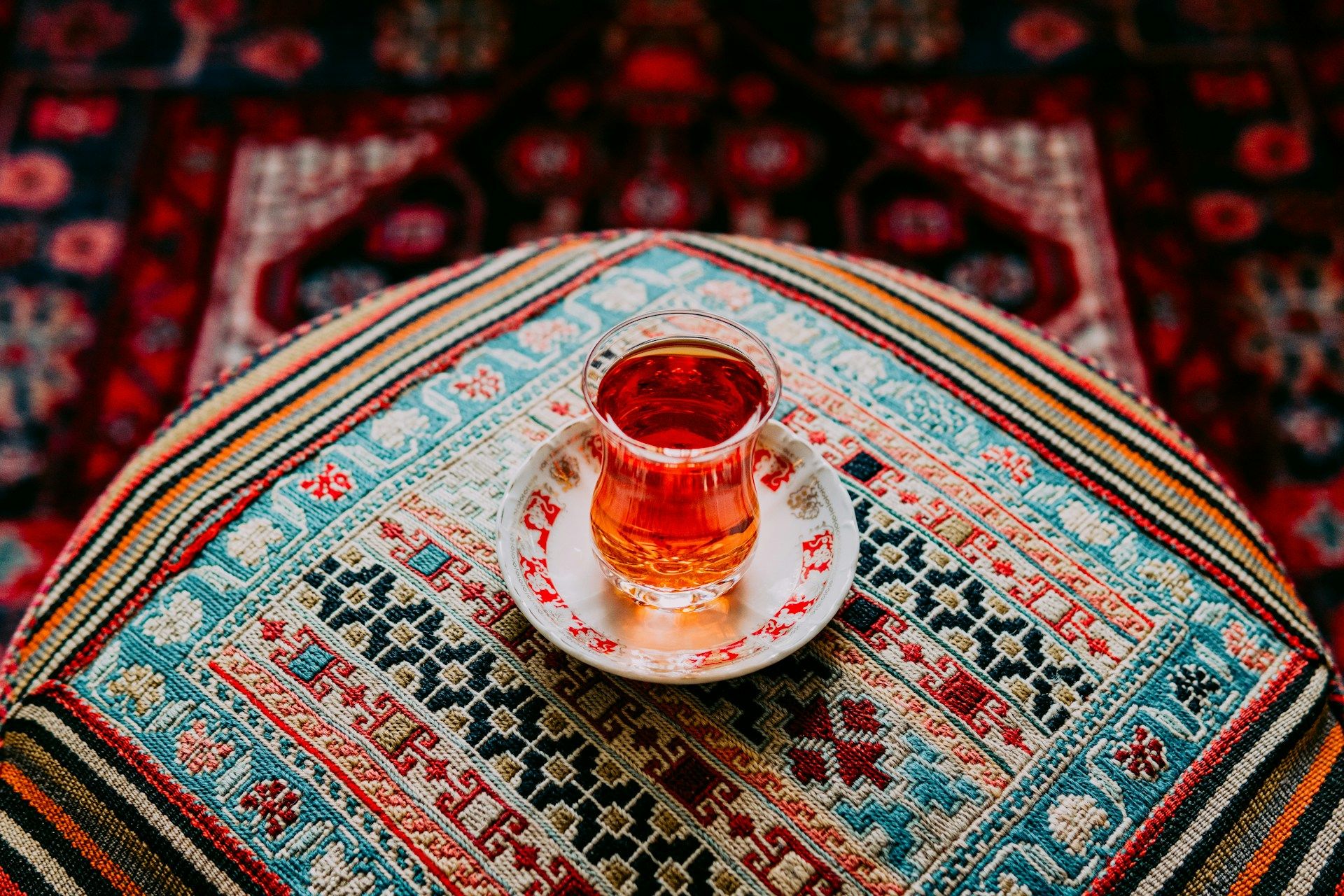
Served in the iconic Armudu (pear-shaped) glass, Azerbaijani tea culture is woven into the fabric of daily life. From morning until night, in homes, offices, and roadside tea houses, the samovar is always bubbling.
Let's pour ourselves a cup and explore this centuries-old tradition.
The Armudu Glass: Form Meets Function
The Armudu glass is shaped like a pear—narrow in the middle, wider at the top and bottom.
Why This Shape?
- Keeps Tea Hot: The narrow waist traps heat in the bottom half.
- Cool Rim: The top cools faster, so you can sip without burning your lips.
- Aesthetic: It's simply beautiful. The curves catch the light, and the amber tea glows like liquid gold.
Fun Fact: The word "armudu" means "pear" in Azerbaijani.
How Tea is Served: The Ritual
1. The Samovar
Traditional tea is brewed in a samovar—a large metal urn that keeps water hot for hours. A small teapot sits on top, brewing a strong concentrate.
2. The Pour
The host pours a small amount of concentrate into the armudu glass, then dilutes it with hot water from the samovar. You can request it "açıq" (light) or "tünd" (strong).
3. The Accompaniments
Tea is never served alone. It comes with:
- Pakhlava or Shekerbura: Sweet pastries.
- Jam: A spoonful of cherry, fig, or quince jam eaten alongside (not in) the tea.
- Lemon: A slice on the side.
- Sugar Cubes: Held between the teeth while sipping (traditional style).
4. The Refill
Your glass will be refilled constantly. If you're done, place your spoon across the top of the glass—this signals "no more, thank you."
Tea Etiquette: The Unwritten Rules
✅ DO:
- Accept the first cup. Always.
- Hold the glass by the rim (it's hot at the bottom).
- Compliment the tea.
- Engage in conversation. Tea time is social time.
❌ DON'T:
- Refuse tea without a very good reason.
- Drink it too quickly (it's meant to be savored).
- Add milk (this is not British tea culture).
The Tea Houses (Çayxana): Where Stories are Shared
Çayxana (tea houses) are the soul of Azerbaijani social life. These are places where men (traditionally) gather to drink tea, play backgammon (nard), and discuss everything from politics to poetry.
Famous Tea Houses in Baku:
1. Çayxana in Fountains Square
- Vibe: Outdoor, people-watching.
- Specialty: Traditional black tea with sweets.
2. Çayxana in Old City
- Vibe: Historic, atmospheric.
- Specialty: Tea served in antique samovars.
3. Çayxana on Baku Boulevard
- Vibe: Seaside, relaxed.
- Specialty: Tea with a view of the Caspian.
The Types of Tea
1. Black Tea (Qara Çay)
The default. Strong, aromatic, and served without milk.
2. Green Tea (Yaşıl Çay)
Less common but growing in popularity.
3. Herbal Teas
- Cinnamon Tea: Warming and sweet.
- Thyme Tea (Kəklikotu): Believed to aid digestion.
- Rose Hip Tea: Rich in Vitamin C.
4. Lankaran Tea
Grown in the subtropical south of Azerbaijan, this is the only tea cultivated in the country. It has a unique, slightly earthy flavor.
Tea and Hospitality: A Sacred Bond
In Azerbaijani culture, offering tea is the first act of hospitality. Whether you're a guest in a home, a customer in a shop, or a stranger asking for directions, you'll likely be offered tea.
The Story Behind the Tradition
Tea arrived in Azerbaijan via the Silk Road. Over centuries, it became intertwined with the concept of qonaqpərvərlik (hospitality). To refuse tea is to refuse the host's goodwill.
A Local Saying: "Çayı içməyən, dostluğu bilməz." (He who doesn't drink tea doesn't know friendship.)
Tea Pairings: The Perfect Combinations
1. Tea + Pakhlava
The classic. The sweetness of pakhlava balances the bitterness of strong tea.
2. Tea + Jam
Take a spoonful of jam, place it on your tongue, then sip the tea. The flavors meld beautifully.
3. Tea + Cheese and Bread
A simple breakfast or snack. Fresh white cheese, warm bread, and tea.
4. Tea + Halva
Sheki halva or tahini halva pairs perfectly with a strong cup.
The Samovar: A Symbol of Home
The samovar is more than a kettle—it's a family heirloom. Passed down through generations, it represents warmth, continuity, and tradition.
Types of Samovars:
- Electric: Modern and convenient.
- Charcoal: Traditional, used in rural areas and tea houses.
- Antique: Decorative, often displayed in homes.
Buying a Samovar: Antique samovars can be found in Baku's Old City markets. Prices range from 50 to 500 AZN depending on age and condition.
Tea in Azerbaijani Proverbs
Tea has seeped into the language itself:
- "Çay içməyə gəl, söhbət eləyək." (Come for tea, let's talk.)
- "Çay soyumasın." (Don't let the tea get cold—meaning, don't delay.)
Conclusion
To understand Azerbaijan, you must sit down for tea. In that simple act—the clink of the armudu glass, the warmth of the samovar, the sweetness of pakhlava—you'll find the heart of Azerbaijani culture.
So when you're offered tea, don't hesitate. Accept, sip slowly, and let the conversation flow.
Next up in our series: A Morning Feast: The Traditional Azerbaijani Breakfast