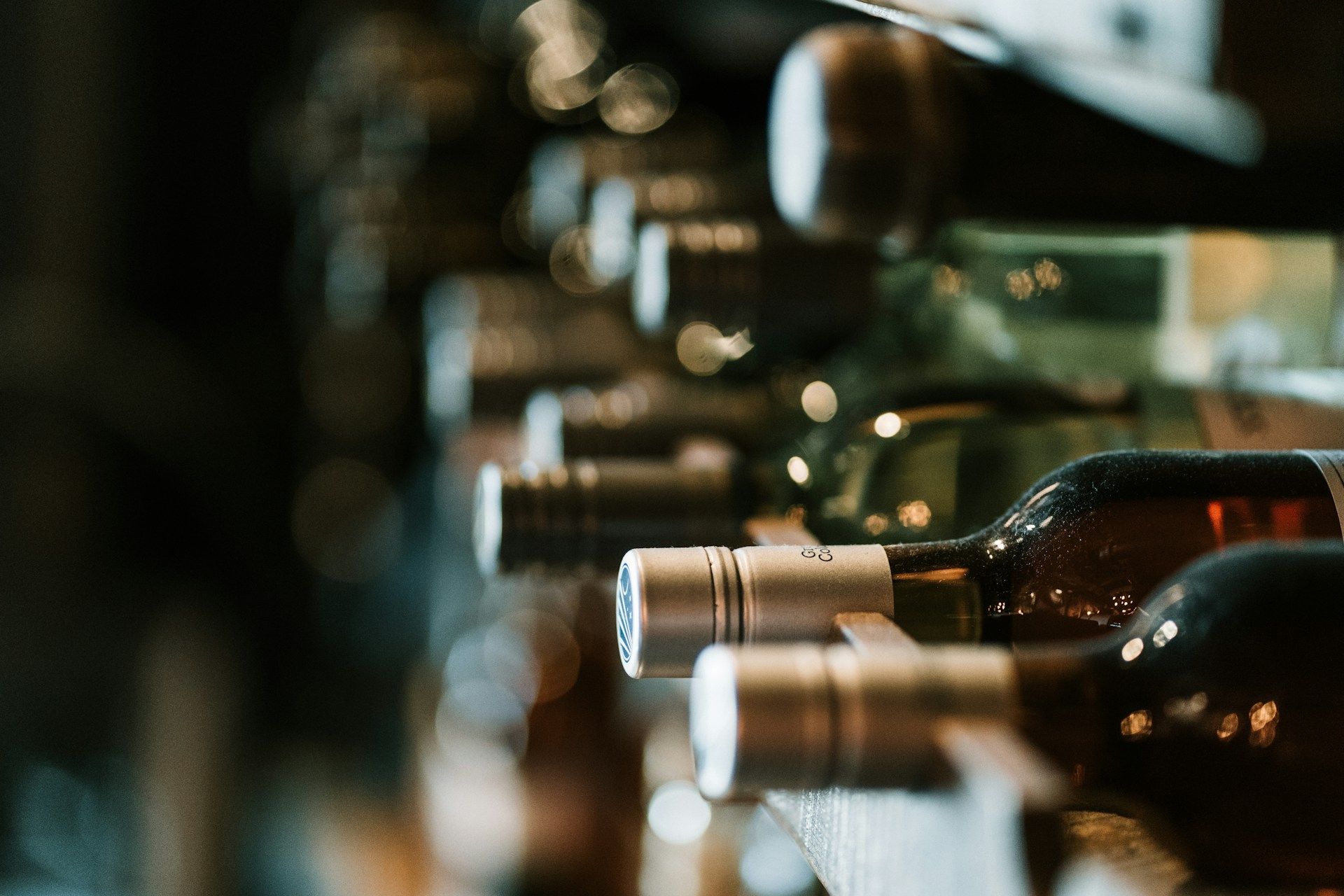
The Emerging Wine Route of Azerbaijan
When you think of wine regions, you probably think of France, Italy, or California. But what if I told you that Azerbaijan is one of the oldest wine-making regions in the world?
Archaeological evidence suggests that wine has been produced in the Caucasus for over 8,000 years. Ancient clay vessels (qvevri) used for fermentation have been found throughout Azerbaijan, predating even Georgian wine culture.
After decades of Soviet-era decline, Azerbaijan's wine industry is experiencing a renaissance. New wineries are opening, indigenous grape varieties are being revived, and wine tourism is taking off.
Welcome to the emerging wine route of Azerbaijan.
The History: 8,000 Years in the Making
Ancient Roots
The Caucasus region, including Azerbaijan, is considered one of the birthplaces of wine. The word "wine" itself may derive from the ancient Caucasian word for grape.
The Soviet Era
Under Soviet rule, wine production was industrialized and focused on quantity over quality. Many indigenous grape varieties were replaced with Russian varieties.
The Revival
Since independence in 1991, and especially in the last decade, Azerbaijan has been investing in boutique wineries, wine education, and tourism.
The Regions: Where Wine is Made
1. Gabala-Ismayilli Region
- Climate: Temperate, with warm summers and cool nights.
- Soil: Rich, volcanic.
- Wineries: Savalan, Goy-Gol, Vinagro.
2. Ganja-Goygol Region
- Climate: Continental.
- Wineries: Goygol Winery (one of the oldest).
3. Shamakhi Region
- Climate: Dry, sunny.
- History: Historically famous for wine production.
4. Nakhchivan Region
- Climate: Arid, high altitude.
- Specialty: Unique indigenous varieties.
The Grapes: Indigenous Varieties
Azerbaijan has over 450 indigenous grape varieties, though only a handful are commercially cultivated today.
White Grapes:
- Rkatsiteli: Crisp, citrusy.
- Madrasa: Aromatic, floral.
- Bayanshira: Light, fruity.
Red Grapes:
- Matrasa (Madrasa): Full-bodied, earthy.
- Shirvanshahi: Spicy, tannic.
- Khindogni: Rare, complex.
International Varieties:
Many wineries also produce Cabernet Sauvignon, Merlot, Chardonnay, and Sauvignon Blanc.
The Wineries: Where to Visit
1. Savalan ASPI Winery (Gabala)
- Location: Gabala region, foothills of the Caucasus.
- Established: 2007.
- Specialty: Premium wines using French oak barrels.
- Tasting: Available by appointment.
- Highlights: Beautiful mountain views, modern facilities.
Recommended Wines:
- Savalan Reserve Cabernet Sauvignon
- Savalan Chardonnay
Price: Tasting 15-30 AZN.
2. Goygol Winery (Goygol)
- Location: Near Lake Goygol.
- Established: 1860 (one of the oldest).
- Specialty: Traditional methods, indigenous grapes.
- Tasting: Available on-site.
Recommended Wines:
- Goygol Madrasa (white)
- Goygol Shirvanshahi (red)
Price: Tasting 10-20 AZN.
3. Vinagro Winery (Gabala)
- Location: Gabala.
- Established: 2016.
- Specialty: Boutique, small-batch wines.
- Tasting: By appointment.
Recommended Wines:
- Vinagro Saperavi
- Vinagro Rkatsiteli
4. Meysari Winery (Shamakhi)
- Location: Shamakhi region.
- Established: 2006.
- Specialty: Organic wines, indigenous varieties.
- Tasting: Available.
Recommended Wines:
- Meysari Matrasa
- Meysari Bayanshira
Wine Tasting Etiquette
1. Book Ahead
Most wineries require advance booking for tours and tastings.
2. Dress Code
Smart casual. You'll be walking through vineyards and cellars.
3. Tasting Fees
Expect to pay 10-30 AZN for a tasting session (usually 4-6 wines).
4. Buying Wine
You can purchase bottles on-site. Prices range from 15-100 AZN per bottle.
The Wine Route: A Suggested Itinerary
Day 1: Baku to Gabala
- Morning: Drive to Gabala (3.5 hours).
- Afternoon: Visit Savalan ASPI Winery for a tour and tasting.
- Evening: Stay overnight in Gabala.
Day 2: Gabala to Goygol
- Morning: Visit Vinagro Winery.
- Afternoon: Drive to Goygol (2 hours).
- Evening: Visit Goygol Winery and explore Lake Goygol.
Day 3: Return to Baku
- Morning: Visit Shamakhi and Meysari Winery.
- Afternoon: Return to Baku (2 hours).
Where to Buy Azerbaijani Wine in Baku
1. Wine Shops
- Vino Gallery (Nizami Street): Wide selection, knowledgeable staff.
- Wine Time (Port Baku Mall): Premium wines.
2. Supermarkets
- Bravo, Araz, Bazarstore: Carry Savalan, Goygol, and other local brands.
3. Restaurants
- Chinar, Art Garden, Firuze: Extensive Azerbaijani wine lists.
Price Range: 15-150 AZN per bottle.
Wine and Food Pairing
White Wines (Rkatsiteli, Madrasa):
- Grilled fish (sturgeon, kutum)
- Herb salads (mangal salad)
- Fresh cheese
Red Wines (Matrasa, Shirvanshahi):
- Kebabs (lamb, beef)
- Plov
- Aged cheese
Rosé:
- Gutab
- Light appetizers
The Future: Wine Tourism on the Rise
Azerbaijan is investing heavily in wine tourism:
- New wineries are opening in Gabala, Shamakhi, and Ganja.
- Wine festivals are held annually (Gabala Wine Festival in autumn).
- Wine routes are being developed with signage and infrastructure.
Conclusion
Azerbaijan's wine story is one of rediscovery. After thousands of years of tradition, decades of decline, and a recent revival, the country is reclaiming its place as a wine-producing nation.
So raise a glass of Savalan, Goygol, or Meysari, and toast to the ancient vines of the Caucasus.
Next up in our series: Yasil Bazaar: A Sensory Explosion